Official How to Play
Learn Callings Awakened.
Watch the 4-minute guide, step through one Round, or use the full rules reference. The examples use the Online Battle Arena to demonstrate the rules of the physical TCG.
4-minute guide
See the rules in play.
A complete first-match overview covering your three-Hero party, opening hand, Technique access, shared AP, alternating Action Opportunities, Mastery, Level 2 development, Rebalance, and victory.
Official How to Play · Demonstrated in the Online Battle Arena.
3:59
→
Prefer to learn by doing? Step through one Round below and pause at each decision.
Technique access
Who can perform a Technique?
Every Hero has a Profession and a Class. The Access line on a Technique tells you which Hero can perform it.
Belongs to a specific Hero.
A Native Technique is performed by the Hero named on the card at its printed AP cost.
Example: Comforting Broth — Native: MaryShared by Heroes of that Class.
A Class Technique can be performed by any surviving READY Hero whose printed Class matches the card.
Example: Turning Kick — Class: Attacker. Kath or Nayara can perform it.Can be borrowed by an ally.
A Teachable Native Technique may be performed by another allied READY Hero while its Native Hero remains in play. Borrowing it costs +1 AP in the current prototype.
Example: Fresh-Cut Stems — Native: Liora · TeachableImportant: Borrowing a Technique does not change the performing Hero's Profession or printed Class.
Interactive Round
Play through one Round step by step.
Follow a later Round with damage already on the board. Each step shows what happens, whose opportunity it is, and why the action is legal.
Enemy Party
YOUR OPPORTUNITY
Your Party
PCMr. Veyra · Nayara · Liora

Mr. Veyra
Support · Teacher
39/39 HP · 2 DEF
READY

Nayara
Attacker · Dancer
35/35 HP · 2 DEF
READY

Liora
Tank · Florist
43/43 HP · 2 DEF
READY
Round 3
YOUR ACTION OPPORTUNITY
You 12 AP
YouMary · Kath · Tykel

Mary
Support · Chef
32/38 HP · 2 DEF
123
READY

Kath
Attacker · Knight
25/36 HP · 2 DEF
123
READY
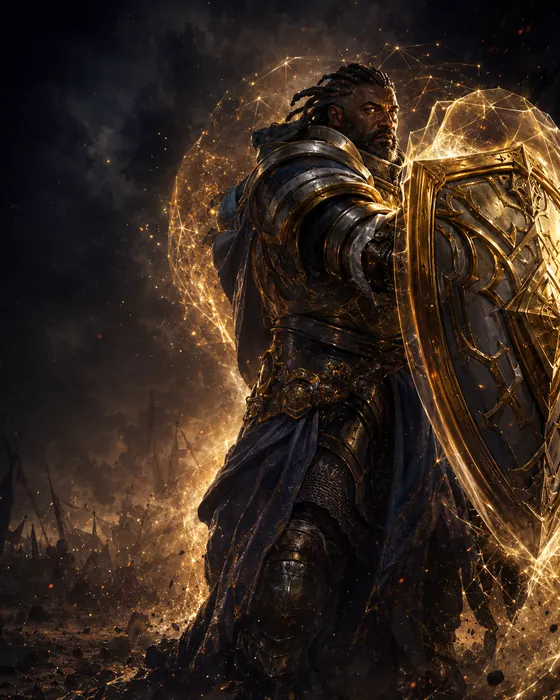
Tykel
Tank · Guardian
37/44 HP · 2 DEF
123
READY
Morning Prep
Immediate Tactic
Next healing Technique costs 2 less AP.
1 AP
Comforting Broth
Support Technique
Restore 4 HP to one ally.
4 AP
Soul Stab
Attack Technique
Deal 7 damage.
3 AP
Guardian's Feint
Guard Technique
Redirect the next enemy single-target attack on another ally to Tykel.
4 AP
Mastery & Level 2
What your Heroes use changes what they can become.
A Hero can master qualifying Level 1 Techniques they perform. Those Masteries can unlock Level 2 paths and new options later in the match.
I
Perform a Level 1 Technique
A qualifying Technique must actually resolve and create a real game-state effect.
II
Record it as Mastery
The Hero records that named Level 1 Technique in their Mastery Kit.
III
Equip up to 3
The Hero can keep up to three Techniques in the Active Mastery Loadout for reuse.
123
IV
Open a Level 2 path
Two differently named Masteries with the same Support, Attack, or Guard symbol make that matching path eligible.
Example: If Mary's Comforting Broth qualifies, it can be recorded in her Mastery Kit. Two differently named Masteries with the same role symbol can make the matching Level 2 path eligible.
Rules reference
Full rules reference.
You do not need to memorize this before your first match. Use this section whenever you need the exact rule.
1. Goal & Party
Each player controls a party of 3 Heroes: one Support, one Attacker, and one Tank. All three begin on the battlefield. Each Hero has their own HP, DEF, Profession, Class, Passive, READY/USED state, Mastery, and any Level 2 Path information they earn.
Win by defeating all 3 opposing Heroes. You do not attack a separate player health total.
2. Setup
- Choose your Support, Attacker, and Tank.
- All three Heroes begin at full HP and on the battlefield.
- Draw an opening hand of 7 cards.
- Once during setup, you may take one full mulligan: return all 7 and draw a replacement hand of 7. The replacement hand is kept.
3. Rounds & 12 Shared AP
- At the start of a Round, each team has 12 shared AP.
- Surviving Heroes return to READY.
- Beginning with Round 2, normal replenishment draws toward a hand of 7 cards.
- Unused AP does not carry into the next Round.
- The player who acts first alternates from Round to Round.
AP belongs to the team, not to individual Heroes. A 4 AP Technique and a 3 AP Technique leave 5 AP for the rest of that team that Round.
4. Action Opportunities
Players alternate Action Opportunities. During yours, you may do the following in this order:
- First: play up to one Immediate Tactic. This part is optional.
- Let the Immediate Tactic resolve completely.
- Then: take up to one Hero action with one eligible READY Hero. This part is also optional.
- When you are done, end the opportunity and control passes to the opponent.
You cannot play a second Immediate Tactic during the same Action Opportunity. Playing a Tactic first does not consume the Hero action that may follow.
5. Hero Actions & READY / USED
A Hero action is one of three things:
- Perform one legal Technique from hand.
- Reuse one legal Technique from that Hero's Active Mastery Loadout.
- Use that Hero's legal Basic Action.
Pay the AP cost, choose any required legal targets, resolve the action, then that Hero becomes USED. A surviving Hero normally performs only one Hero action per Round. USED does not mean defeated; it only means that Hero has already taken their Hero action for this Round.
Basic Actions are fallback actions and do not grant Mastery.
6. Cards, Performers & Targets
Your hand is shared by the team. A Technique is performed through an eligible Hero, not directly by you as a player. The Technique's Access line determines who may perform it.
Technique access
- Native: the Technique belongs to the named Hero and is performed by that Hero at its printed AP cost.
- Class: any surviving READY Hero whose printed Class matches the card may perform it.
- Teachable: another allied READY Hero may borrow the Native Technique while its Native Hero remains in play. Borrowing costs +1 AP in the current prototype.
Borrowing a Technique does not change the performing Hero's Profession or printed Class.
Choosing a card and target
- The arena identifies which cards are currently legal.
- After you choose a Technique, the arena identifies which Heroes can perform it.
- Then it identifies the legal target or targets required by that Technique.
- A card's printed effect determines whether it targets an enemy, ally, another ally, multiple Heroes, or another special set of legal targets.
Printed Class does not change when a Hero reaches Level 2.
7. Damage, Healing, DEF & Protection
Damage & DEF
Damage is applied to an individual Hero. DEF and any applicable reductions are used when resolving damage. Damaging effects normally deal at least 1 damage after reductions unless an effect fully prevents the damage or explicitly permits 0.
Healing
Healing restores HP to an eligible Hero but cannot raise that Hero above maximum HP.
Shielded
Shielded blocks the next attack that would deal damage, then the Shielded state is removed.
Poisoned
When Poisoned is applied, it lasts for 2 End Phases. At each End Phase while Poisoned, that Hero loses 2 HP, then the remaining duration decreases by one. Some effects can prevent or remove Poisoned.
Protection & interception
Guard and Tank tools may reduce damage, grant DEF, Shield an ally, redirect an attack, or intercept damage depending on the Technique. The exact card text controls the effect.
8. Mastery & the 3 Active Slots
Qualifying Level 1 Techniques that a Hero actually performs can become that Hero's Mastery. A qualifying use must resolve legally and create a real game-state effect.
- The first qualifying copy of a named Level 1 Technique can be recorded in that Hero's Mastery Kit.
- Each Hero can have up to 3 Techniques equipped in the Active Mastery Loadout.
- An equipped Technique can be reused from Active Mastery by paying its normal legal AP cost and using that Hero's action.
- Reusing a mastered Technique does not require drawing another copy from hand.
3-skill refresh cycle
When a Hero has 3 Active Mastery skills, each one becomes Spent after it is reused. Normally, using ready skill A, then a different ready skill B, then the third ready skill C completes the cycle; after C resolves, all 3 refresh to Ready. Basic as a Cycle Finisher: once exactly 2 of the Hero's 3 Active Mastery skills are Spent, that Hero may use its Basic Action instead of the remaining Ready Active Mastery skill to complete the cycle. After that Basic resolves, all 3 Active Mastery skills refresh to Ready. A Basic Action does not refresh Mastery when fewer than 2 of the 3 skills are Spent, and a Hero with only 1 or 2 Active skills does not receive a shortened refresh cycle.
9. Level 2 Development
Mastery determines which Level 2 paths a Hero has earned.
- Two differently named qualifying Level 1 Masteries with the same symbol — Support, Attack, or Guard — make the matching Level 2 path eligible.
- When a path is chosen, its persistent Path Passive becomes active immediately.
- The path's two Level 2 Techniques enter the shared Main Deck as 2 copies of each Technique — 4 cards total.
- A Hero may delay an eligible Level 2 choice and choose later.
- Leveling does not change the Hero's printed Class.
10. Hero Defeat & Rebalance
A Hero is defeated when it reaches 0 HP. Defeated Heroes no longer take actions. After an allied Hero is defeated, your surviving party may receive a Rebalance opportunity.
- You may choose one surviving Hero to Rebalance, or decline.
- That Hero can switch only to an alternate Level 2 Path it had already earned from existing Level 1 Mastery.
- A Hero can Rebalance no more than once per game.
- Rebalance never grants unearned Mastery and never changes printed Class.
- The old and new Path's Level 2 cards are exchanged through that Hero's Level Reserve, and the Active Mastery loadout is rebuilt using the earned path's qualifying Masteries plus an eligible flexible third mastered Technique when available.
11. Victory & Timing
Defeat all 3 enemy Heroes to win. If an effect or timing step can create multiple results together, finish resolving that timing step before the game completes the victory check.
At the end of a Round, End Phase effects resolve, Round-based effects expire as appropriate, the next Round begins, AP refreshes, surviving Heroes become READY, and normal hand replenishment occurs.
12. Quick Glossary
Action OpportunityYour window to play up to one Immediate Tactic first, then take up to one Hero action.
APThe 12 Action Points shared by your party during a Round.
READYThe Hero has not yet taken their Hero action this Round.
USEDThe Hero has already taken their Hero action this Round. They are still alive.
TechniqueA card action performed through an eligible Hero.
NativeTechnique access tied to the specific Hero named on the card.
ClassTechnique access shared by surviving READY Heroes whose printed Class matches the card.
TeachableA Native Technique another allied READY Hero may borrow while its Native Hero remains in play, at +1 AP in the current prototype.
Immediate TacticA team card that can be played first in an Action Opportunity without consuming the Hero action that may follow.
Mastery KitThe Level 1 Techniques a Hero has successfully mastered.
Active MasteryUp to 3 equipped mastered Techniques available for reuse under the Mastery cycle.
Level 2 PathA development path earned from matching Mastery that grants a Path Passive and Level 2 Techniques.
RebalanceA post-defeat option for an eligible surviving Hero to switch to another already-earned Level 2 Path.
ShieldedBlocks the next attack that would deal damage, then ends.
PoisonedLoses 2 HP at each of the next 2 End Phases unless removed or prevented.
Ready to play?
Choose your three-Hero party.
The Online Battle Arena highlights legal cards, eligible Heroes and valid targets while you play a full match against the computer.